





Answer the question underneath the question
Children often need to hear three things: the fire is over, they are with safe adults, and there is a plan for tonight. Avoid promising that every possession can be saved or that the family will return on a certain date before officials and professionals know that.
Let the child repeat questions. Stress can make it hard to absorb an answer the first time.
- Say where the family will sleep
- Explain who is helping
- Name what will happen today
- Admit what is not known yet
Protect them from the first inspection
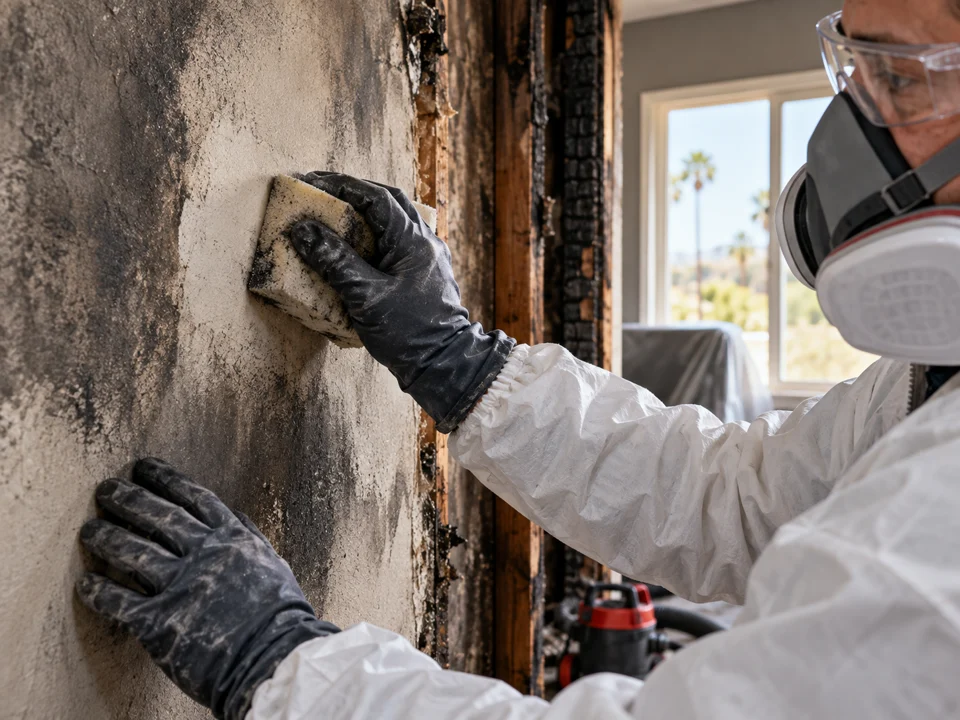
A damaged home may contain sharp debris, unstable surfaces, soot, dirty water, and emotionally difficult scenes. The Red Cross advises arranging for children to stay with a trusted person during the first inspection when possible.
Bring back familiar routines through meals, bedtime, school contact, a favorite song, or a replacement comfort item. Small predictable moments matter.
Notice changes without demanding a timeline
Sleep trouble, fear, anger, clinginess, withdrawal, or repeated play about the fire can happen after a traumatic event. Offer patience and connection. If reactions are severe, do not improve, or interfere with daily life, contact a pediatrician or qualified mental-health professional.
- Keep adult claim conversations away from young children when possible
- Invite drawing or talking without forcing it
- Tell teachers or caregivers what happened
- Use crisis support when someone may be in danger
Sources and further help
This is general information. Follow instructions from firefighters, medical professionals, utilities, building officials, and your insurer.