
Cover the places where people sleep
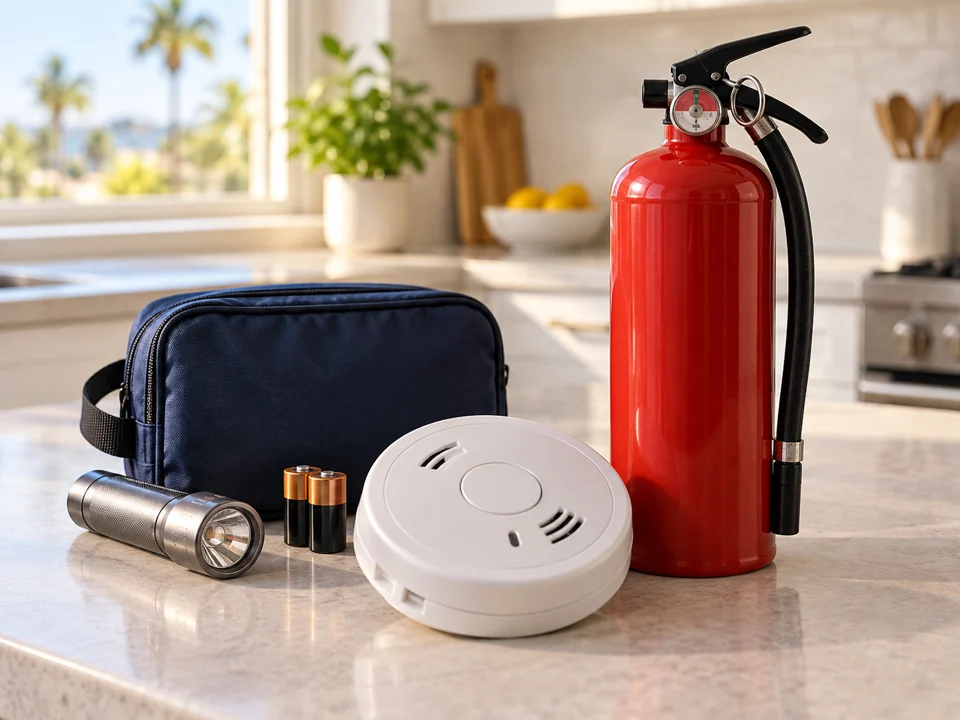
The U.S. Fire Administration recommends smoke alarms inside every bedroom, outside each separate sleeping area, and on every level of the home. Follow the manufacturer's instructions for ceiling or wall placement.
Interconnected alarms allow one alarm to sound all of them, giving people farther from the fire more warning. Qualified electricians should install hardwired alarms.
Test the system, not your memory
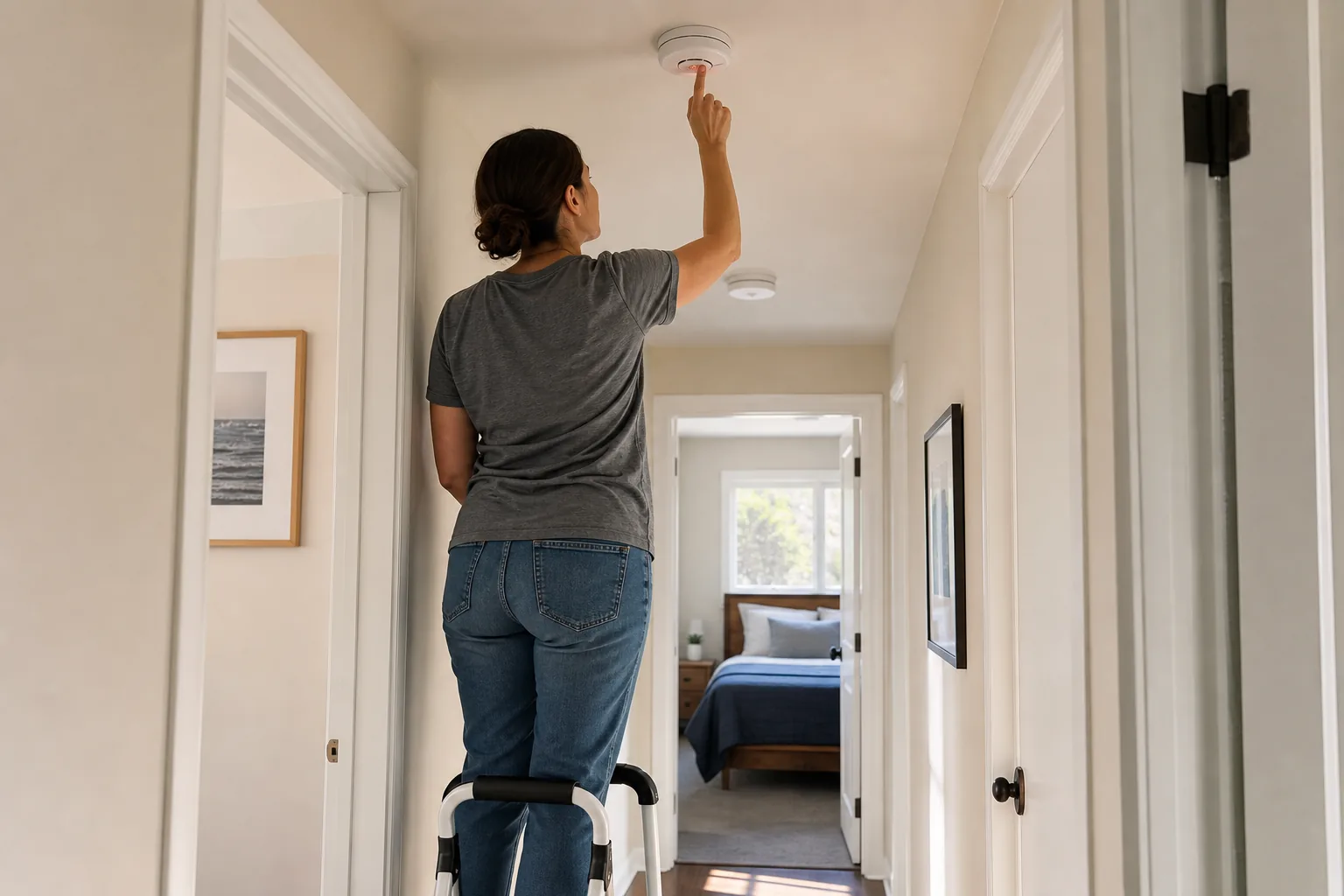
Press the test button every month. Teach everyone what the sound means and use the alarm to begin home fire drills. Replace batteries according to the alarm instructions and replace the entire alarm when it reaches its service life.
Never remove a battery because cooking or steam causes nuisance alarms. Use the hush feature, ventilation, or corrected placement according to instructions.
Make warning accessible
People with hearing loss may need alarms with strobes or bed-shaker devices. Large homes, closed bedroom doors, and multiple levels may benefit from interconnected devices. Ask the local fire department or fire marshal about applicable requirements and assistance programs.
Sources and further help
This is general information. Follow instructions from firefighters, medical professionals, utilities, building officials, and your insurer.