
The damage follows several paths
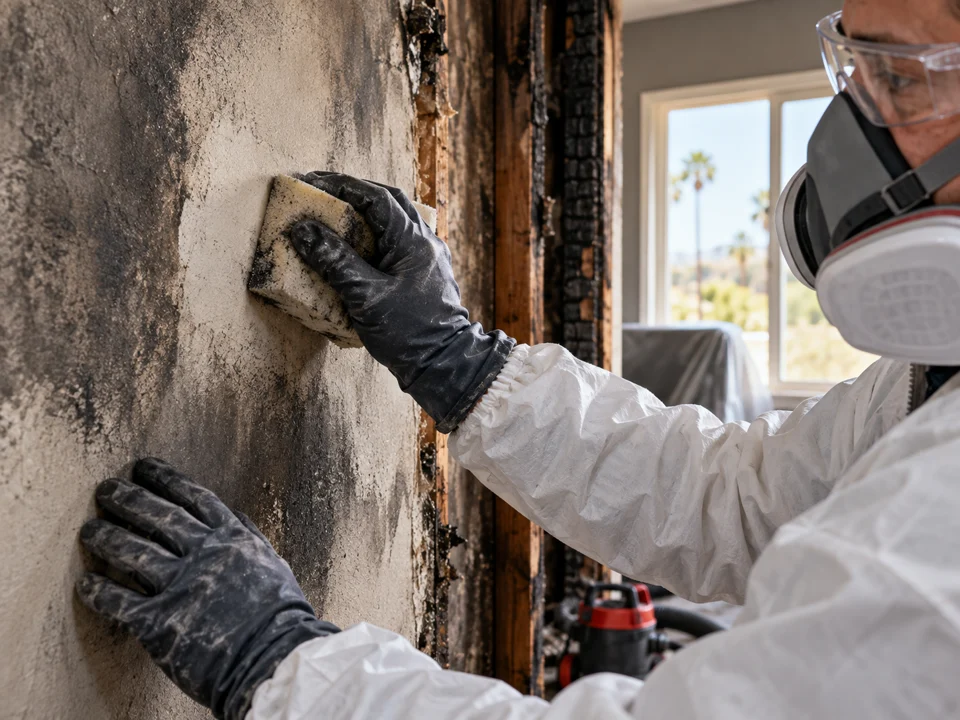
Flame can consume finishes, contents, doors, and framing. Heat can distort plastics, glass, wiring, and fixtures. Smoke can settle as soot and odor in rooms and neighboring spaces. Firefighting water can move through floors, wall cavities, and ceilings.
Firefighters may open walls, ceilings, doors, or windows to reach hidden fire and remove smoke. That work can look destructive, but it may be necessary to stop extension and confirm the fire is out.
Shared buildings create shared decisions
Elevators, alarms, sprinklers, corridors, stairwells, electrical rooms, and plumbing serve more than one household. Even an undamaged unit may be temporarily inaccessible while the building is evaluated.
Follow the instructions of the fire department and property management. Do not enter another unit, restore power, or begin cleanup in common areas independently.
- Ask when and how belongings may be retrieved
- Request written access and occupancy updates
- Photograph your unit when safe
- Notify renters insurance if applicable
Your recovery still needs its own record
Keep your lease, renters policy, inventory, receipts, property-management messages, and photographs in one place. Separate damage to your belongings from questions about the building itself, because different people and policies may address them.
Sources and further help
This is general information. Follow instructions from firefighters, medical professionals, utilities, building officials, and your insurer.