


Smoke removes the information you rely on
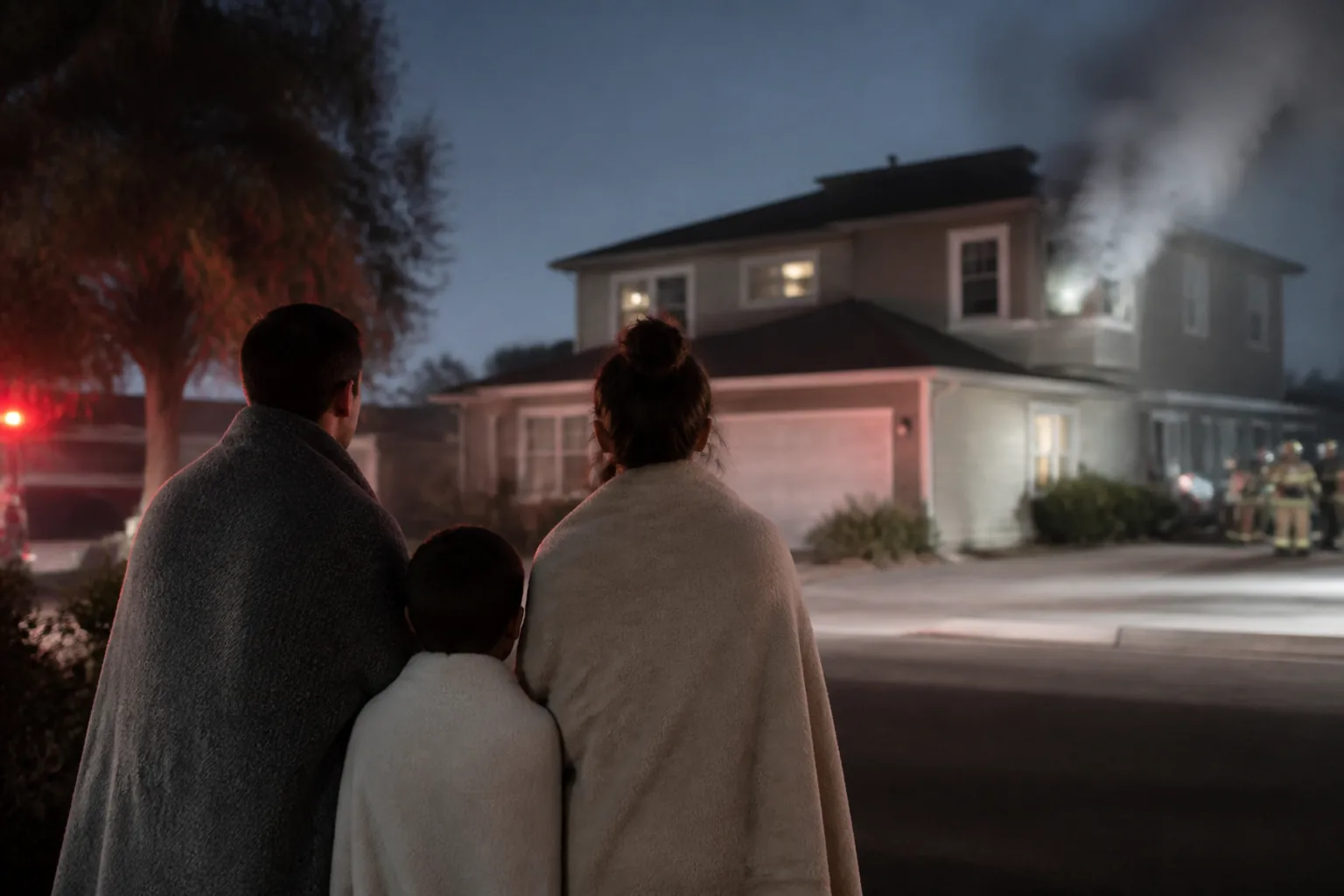
Thick smoke can obscure exit signs, doors, furniture, and people. It can make a short hallway hard to navigate. That is why a practiced route, two ways out, and an outside meeting point matter before an emergency.
Do not stop to search for the source if an alarm and smoke indicate danger. Alert others as you leave and call 911 outside.
The air itself becomes dangerous
Smoke is a mixture of gases and particles created by burning materials. It can cause coughing, breathing difficulty, eye irritation, confusion, and other serious effects. The exact hazards depend on what is burning and the exposure.
If someone has trouble breathing, chest pain, confusion, burns, or other concerning symptoms, call emergency services and follow medical guidance.
Preparation reduces hesitation
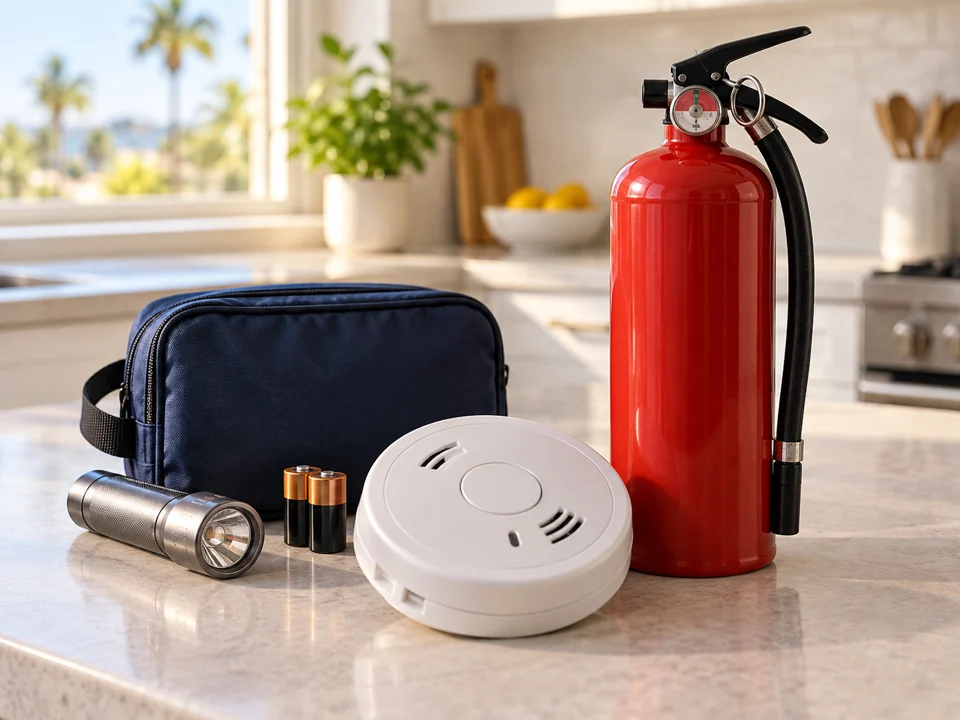
Working, interconnected smoke alarms provide early warning. Practice the sound with children and household members. During drills, move to the meeting place and account for everyone. The goal is to make leaving the automatic response.
Sources and further help
This is general information. Follow instructions from firefighters, medical professionals, utilities, building officials, and your insurer.