
Clearance comes from the authority at the scene
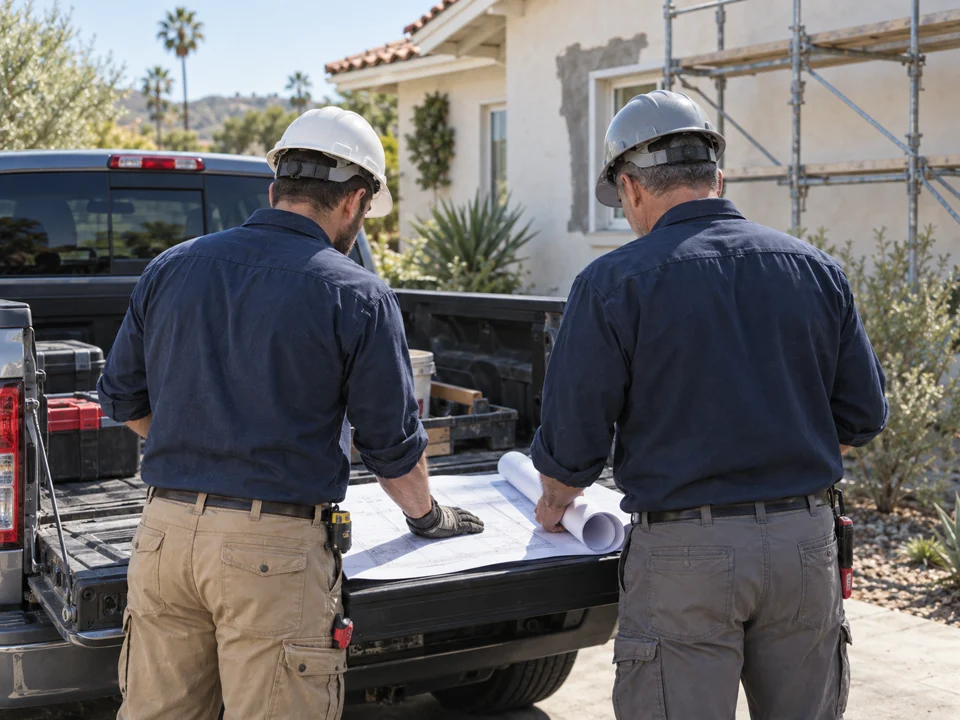
A firefighter, building official, or utility provider may limit where you can go and for how long. Clearance to retrieve one item is not the same as permission to occupy the home. Ask exactly what is allowed before crossing the threshold.
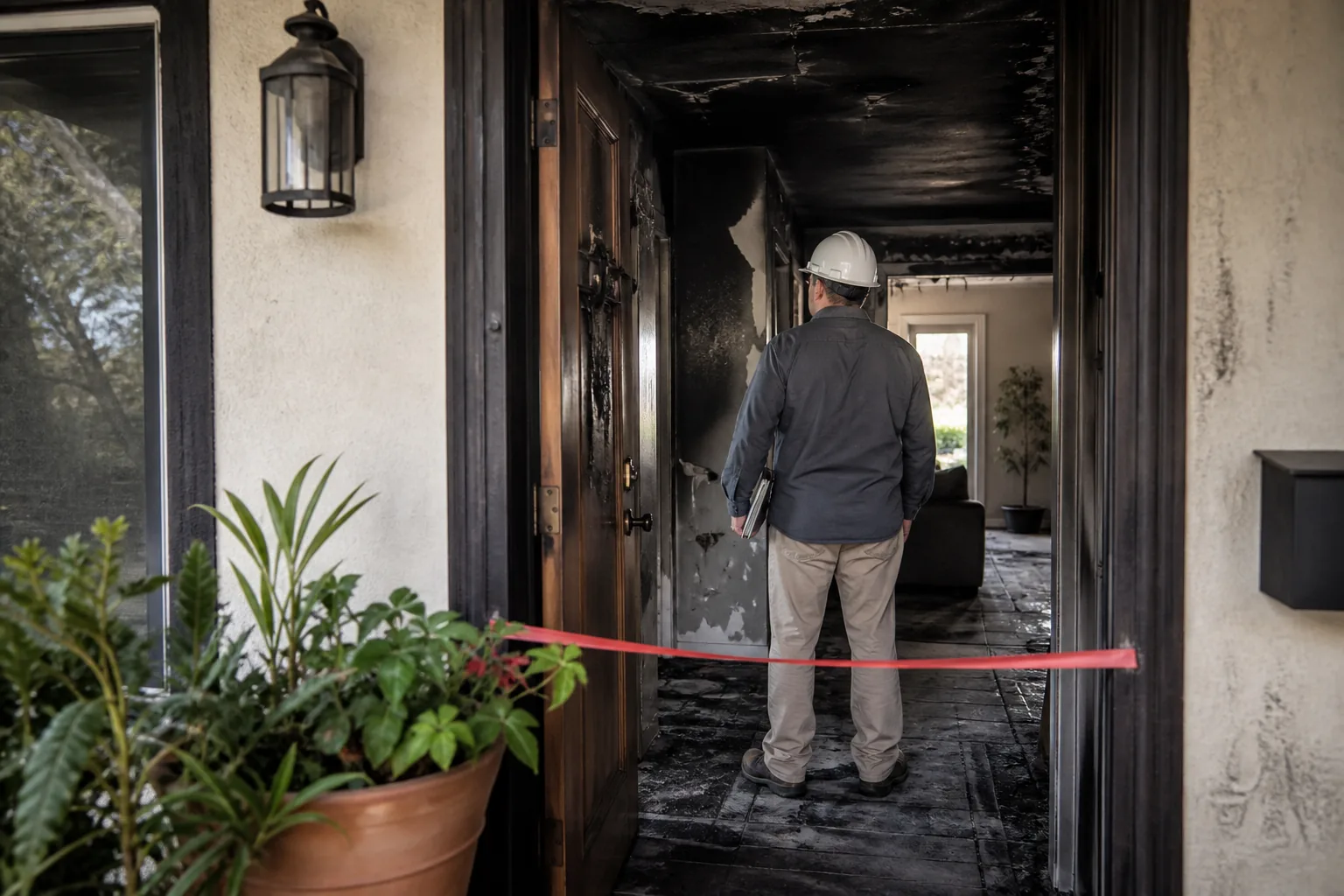
Do not cut official tape, move a placard, or step around a barrier. If instructions are unclear, call the agency named on the notice.
- Ask whether the structure has been evaluated
- Confirm gas and electrical status
- Ask whether respiratory protection is recommended
Look up before you look around
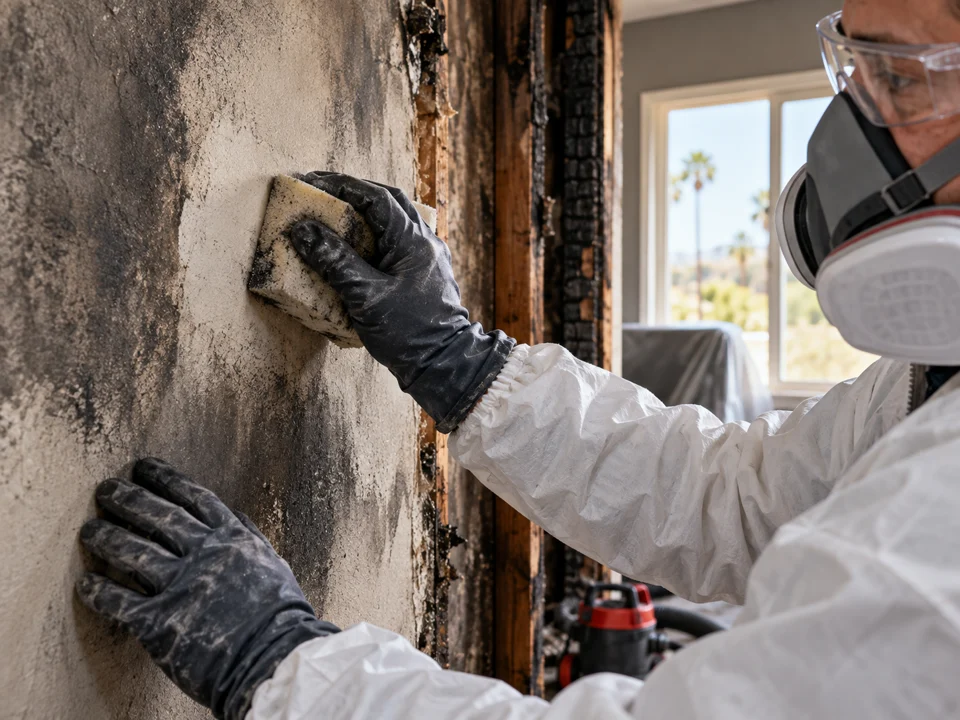
Firefighting water can make ceilings heavy. Heat can weaken stairs, floors, roof framing, fasteners, and glass. Soot and dirty water may contain irritating or harmful material. The safest first inspection is deliberate and limited, with no leaning on walls or moving unstable objects.
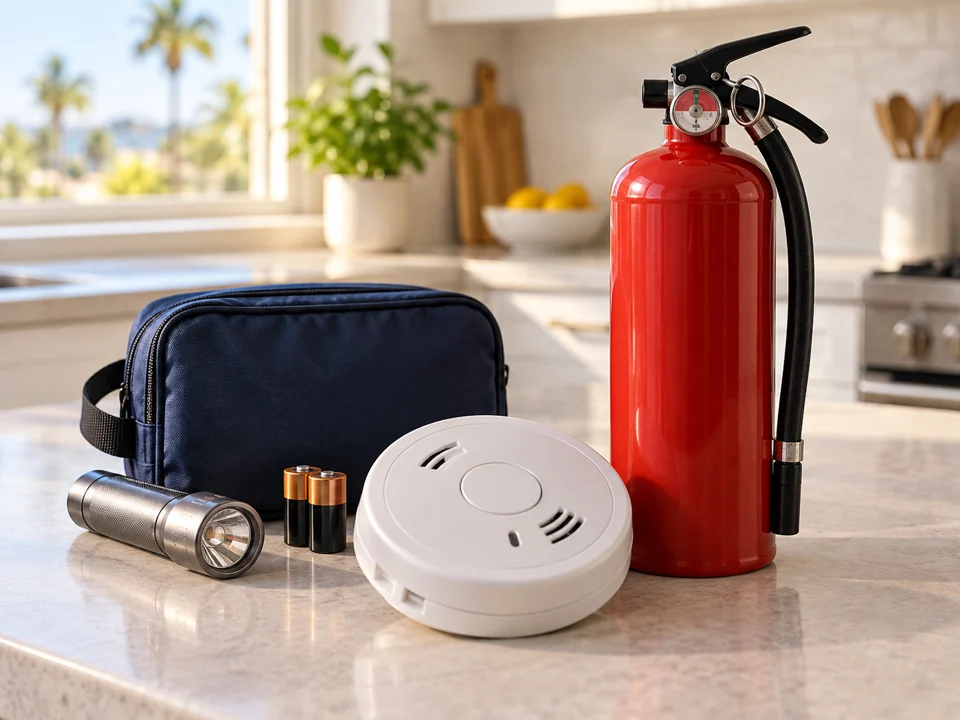
Use a flashlight, not a candle or flame. Do not operate appliances, HVAC equipment, or breakers until qualified professionals have evaluated them.
A home can be closed and still recoverable
Being kept outside does not mean every item is lost. It means the site needs a controlled plan. Photograph accessible areas, list urgent belongings, and let the restoration and claims teams decide how contents can be safely evaluated and moved.
Sources and further help
This is general information. Follow instructions from firefighters, medical professionals, utilities, building officials, and your insurer.